
Blended learning is a game-changer for adult education. It offers the flexibility and personalization our students need to succeed. But effective blended learning doesn’t happen by accident. It requires careful planning, clear goals, and a commitment to supporting students in both virtual and physical environments.
Here are seven proven strategies to design blended learning experiences that truly work for adult learners.
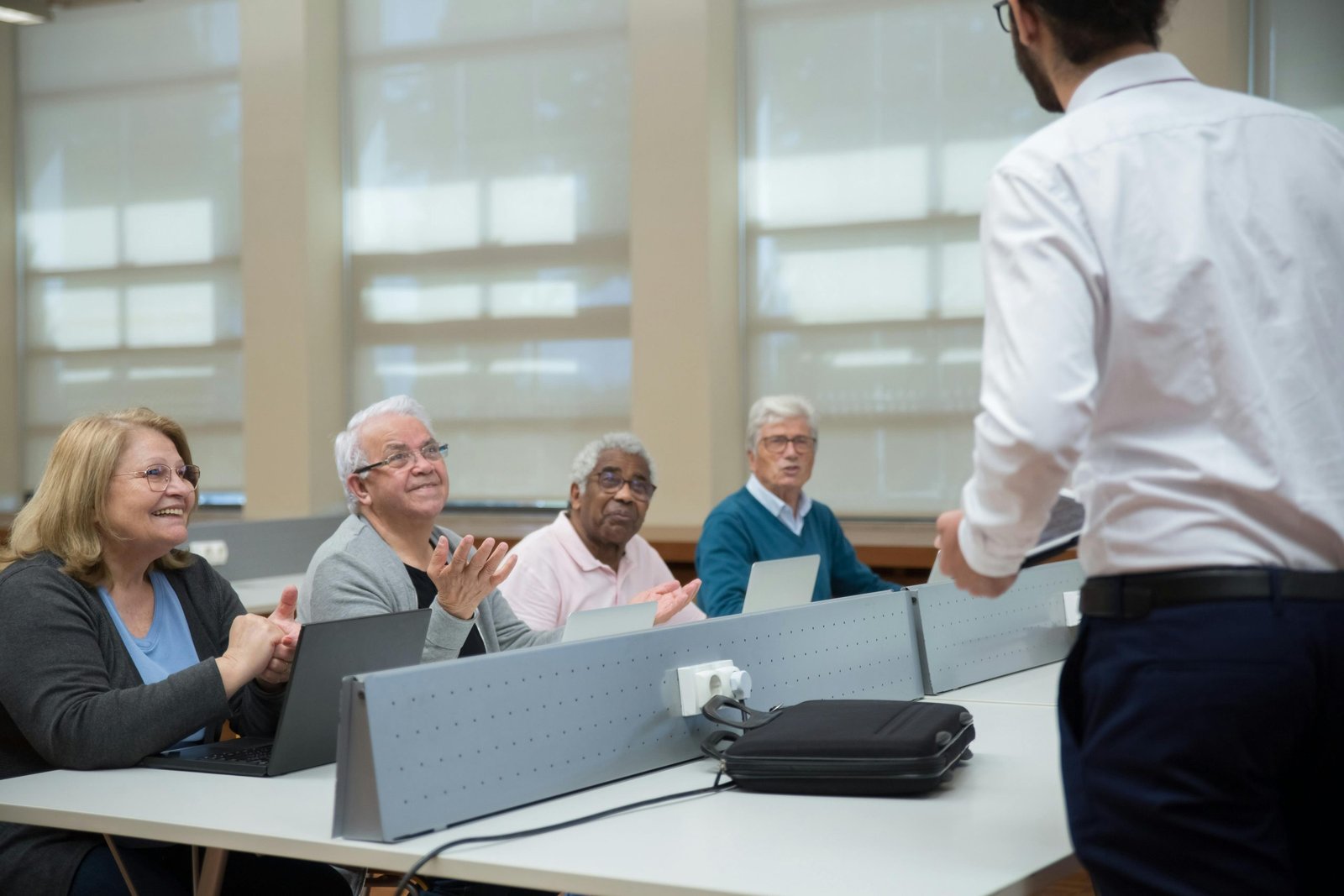
1. Define clear learning goals.
Every activity, whether online or in-person, should directly contribute to a specific learning objective. Communicate these goals clearly so students understand the purpose of each component.
Example: Instead of simply assigning an online quiz, frame it as “This quiz will help you assess your understanding of ratios before we apply them to real-world budgeting scenarios in class.”
Being transparent about learning goals reduces frustration and helps learners see value in every step.
2. Align online and in-person content.
Ensure that your digital materials complement and reinforce the content you teach in the classroom. Avoid simply duplicating content; use each modality to its best advantage. Online modules can cover foundational knowledge at the learner’s pace, while in-person sessions can focus on higher-order skills like problem-solving, teamwork, and application.
Example: Learners watch a short video on workplace communication strategies online. In class, they role-play workplace scenarios to practice and apply those strategies.
3. Encourage student interaction.
Structure your online platform to promote collaboration through discussion forums, group projects, or peer reviews. In-person time can then focus on deeper dialogue and problem-solving based on their online work.
4. Provide timely feedback.
Regular feedback is crucial for adult learners. Use online tools to provide quick, automated responses for basic tasks, and save your personal, in-depth feedback for more complex assignments. Use a platform that grades quizzes automatically, freeing you up to give detailed written or audio feedback on learners’ essays or presentations.

5. Use diverse digital tools.
Explore different platforms and applications beyond a basic learning management system. Tools for interactive quizzes, video creation, or collaborative whiteboards can make online learning more dynamic and engaging.
The key is to match the tool to the task, not overwhelm learners with technology.
6. Offer clear instructions and support.
Not every adult learner is tech-savvy. Provide step-by-step guides and tutorials for all new technologies. Be available to answer technical questions, reducing frustration and keeping them focused on learning.
Example: Provide a short screen-recorded video that walks learners through how to post in a discussion forum before the first online assignment.
7. Build a strong community.
Blended learning works best when students feel connected to the instructor, to peers, and to the learning process. Create a sense of belonging in both the physical and virtual classroom. Encourage students to connect, share resources, and support each other’s learning journey.
As you design your next course, remember: blended learning is about creating intentional connections between online and in-person learning that empower adults to succeed.
Please forward these insights to your colleagues. Don’t miss out on our learner-centered teaching strategies. Visit our YouTube channel and textbook page today.
Also, does your Curriculum Director, Instructional Specialist, or Lead Teacher know they can request samples and review CBL math, reading, or ESL textbooks? Contact us at teamcbl@cbledu.com!