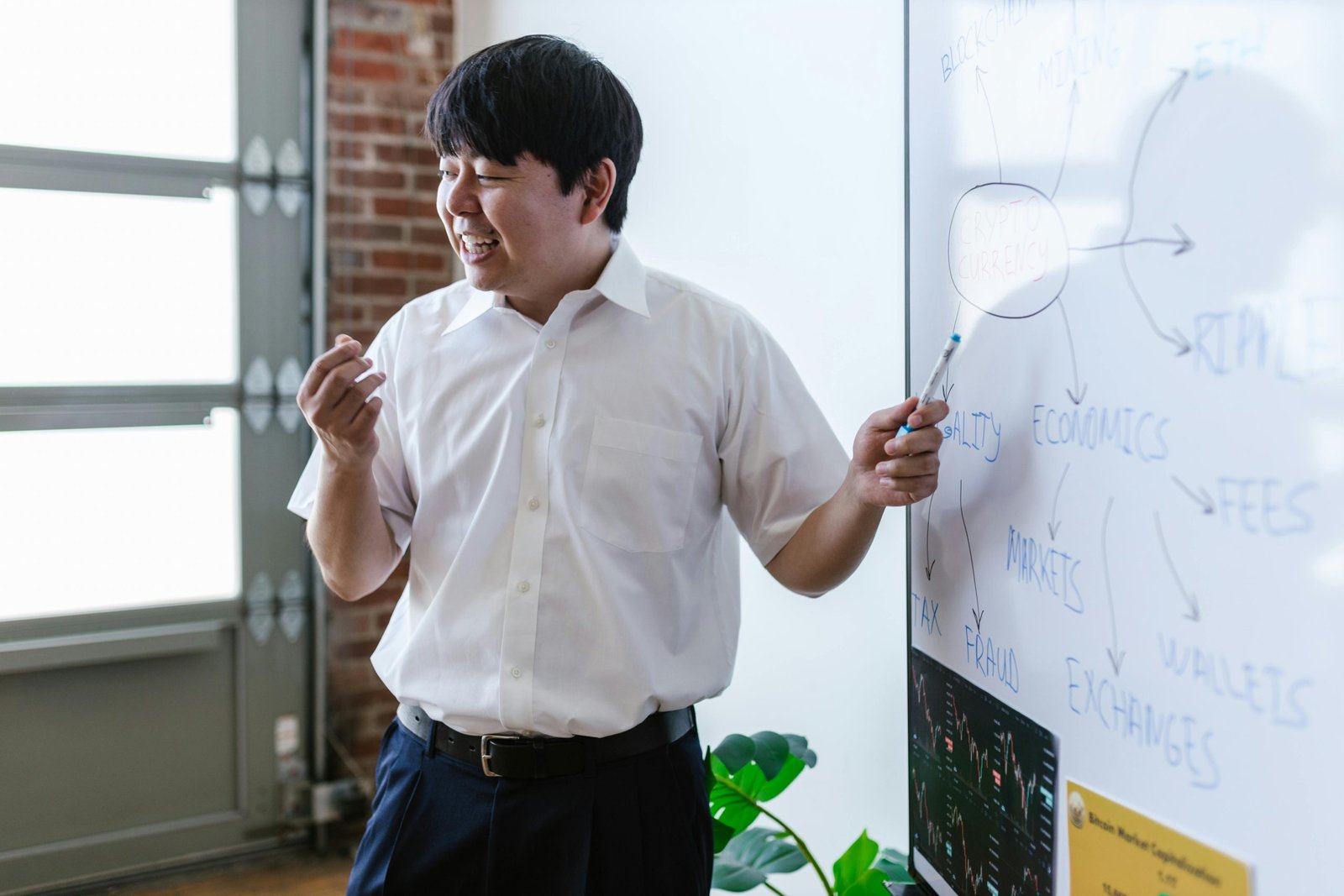

One crucial factor can make the difference between struggling and succeeding: effective study habits. Research shows that using a variety of active study strategies not only boosts academic performance but also fosters confidence and long-term success (Walck-Shannon et al., 2021). In this post, we’ll dive into six evidence-based strategies to help adult learners build study habits that empower them to succeed in the classroom and beyond.
Six Strategies to Build Strong Study Habits

1. Active Listening and Note-Taking
- Model active listening.
Demonstrate how to pay attention, make eye contact, and ask clarifying questions during lessons.
Teach note-taking techniques.
Introduce different note-taking formats, such as Cornell notes or outlining. Encourage students to experiment to find what works best for them.
Encourage note review.
Advise students to review their notes regularly to reinforce learning and identify gaps in understanding.
2. Time Management and Organization
- Create a study schedule.
Help students create a realistic study schedule that accounts for their personal commitments and learning preferences.
Break down tasks.
Show students how to break down large assignments into smaller, more manageable tasks.
Utilize calendars and to-do lists.
Teach students how to use calendars and to-do lists to track their progress and stay organized.
3. Effective Study Techniques
- Practice active recall.
Encourage students to test their knowledge by recalling information without referring to their notes or materials.
Use flashcards and quizzes.
Create flashcards or quizzes to help students review key concepts and test their understanding.
Form study groups.
Encourage students to form study groups to discuss topics, share insights, and practice problem-solving.
4. Seeking Help and Support
- Encourage questions.
Foster a classroom environment where students feel comfortable asking questions and seeking clarification.
Refer to tutoring and resources.
Provide information about available tutoring services, online resources, and academic support centers.
Address learning difficulties.
Work with students who have learning difficulties to identify and implement appropriate accommodations and strategies.

5. Critical Thinking and Problem-Solving
- Pose thought-provoking questions.
Guide students to thinking critically about the information they learn and applying it to real-world scenarios.
- Promote problem-solving skills.
Provide opportunities for students to practice problem-solving skills through activities, case studies, and group work.
- Encourage collaboration.
Encourage students to work together to solve problems and develop their critical thinking skills.
6. Metacognition and Self-Assessment
- Teach self-reflection.
Help students understand their learning styles, strengths, and weaknesses.
- Encourage self-assessment.
Guide students in assessing their own progress and identifying areas for improvement.
- Set learning goals.
Help students set realistic learning goals and track their progress towards achieving them.
Wrap Up
By implementing these strategies, you can create a supportive and engaging learning environment where adult learners can develop strong study skills and achieve their academic goals. For more evidence-based insights and active strategies, check out more articles on our blog or send questions to teamcbl@cbledu.com.
Reference
Walck-Shannon, E., McConnell, M., Parrish, E. D., Skiebe-Corrette, D. K., Neilson, S., & Knight, J. K. (2021). Not all active learning is equal: The exploration of different active learning strategies and their impacts on student performance across a semester. CBE—Life Sciences Education, 20(3).